
 IT
ITNoto Antica what to see: guide to the ruins of the lost city
Category/ies: Surroundings
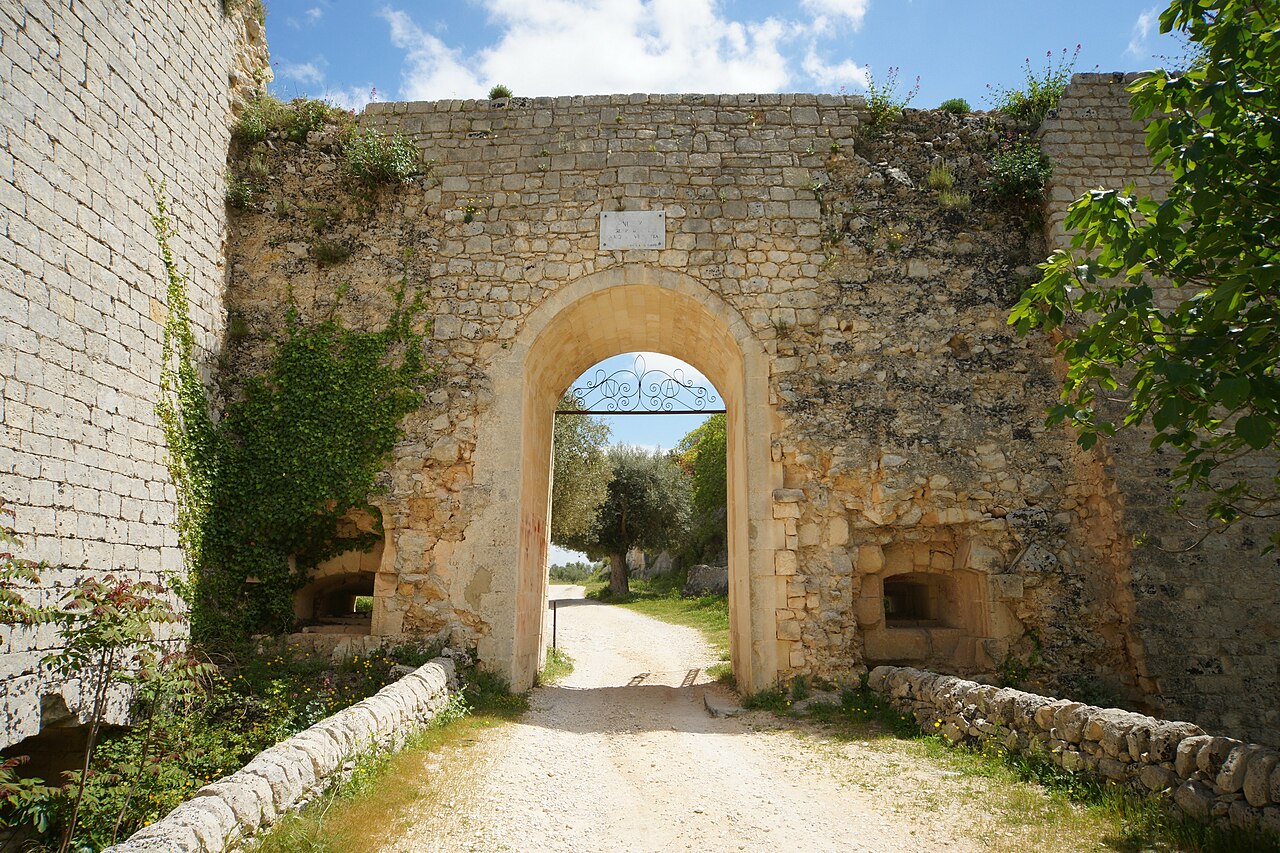
Just a few kilometres separate Tenuta Olive Alive from a place that very few have truly explored. On Monte Alveria, a short distance from the modern city, the ruins of Noto Antica still stand, inhabited from prehistoric times until the fateful earthquake of 1693. A site that doesn’t shout, doesn’t impose itself: it reveals itself slowly, to those who have the patience to seek it out.
A city buried by time
In 1693, Noto Antica was a wealthy city, graced by numerous noble palaces, 56 churches, 11 convents, and 8 monasteries, with over 12,000 inhabitants. Only the violent earthquake of January 11, 1693, managed to destroy it, causing over 60,000 victims in the Val di Noto. It is still considered the strongest earthquake ever recorded in all of Italy.
From the rubble, the Baroque Noto was born, which the world admires today as a UNESCO World Heritage site. But the ancient city didn’t disappear entirely: it remained there on Mount Alveria, silent and waiting.
What to see in Noto Antica
On the hill, you’ll find scattered ruins of monuments dating from antiquity to the 17th century, spread among the vegetation. You enter ancient Noto through the Porta della Montagna of the fortress, located on the north side of the hill.
The main path winds through places steeped in history:
The Royal Castle, built in 1091 by Duke Giordano d’Altavilla and expanded in 1430 by Duke Peter of Aragon, is one of the site’s best-preserved monuments. Visible sections of the imposing perimeter walls that fortified the urban center still remain. On the walls of the main tower, you can still read graffiti carved by prisoners held in the cells: signatures, dates, and drawings.
Not far away are the remains of the Church of the Santissimo Crocifisso, a district carved into the rock, and the San Martino hospital church. The main path crosses the hill with the remains of Palazzo Belludia and the vestiges of the Jesuit church, eventually reaching the ancient heart of the city: the 16th-century Piazza Maggiore, where a commemorative altar has been erected.
In some places, the roadside is lined with thick shrubbery; in others, there are layers of limestone where rooms were carved out as warehouses or homes in time immemorial. The road isn’t straight but winding, as was typical of medieval cities.
The “Sicilian Pompeii”
The desolate remains of churches and palaces have earned it the nickname “Sicilian Pompeii.” The comparison might seem a bit bold, but it fits: like Pompeii, Noto Antica is a city frozen in a precise moment, when an earthquake wiped out centuries of history in just a few seconds.
Yet, unlike Pompeii, you won’t find crowds of tourists here. Silence and discretion are part of the experience.
Italo’s advice
“Many people come to Noto and don’t know that this extraordinary place exists just a few minutes away. Noto Antica is the other side of the coin: you only truly understand the Baroque of the new city once you’ve seen where it came from. I recommend visiting in spring, when the Mediterranean scrub is in bloom and the afternoon light makes the ruins even more evocative.”
How to organize your visit
You should plan for at least two hours to visit the remains of Noto Antica at a relaxed pace. The site can be reached via the SP64 provincial road, taken from the SS287 state road. Comfortable shoes and water are essential. The climate is ideal in spring and autumn; in summer, it’s best to visit in the early morning hours.
Your home in the Val di Noto
Tenuta Olive Alive is located just 5 minutes from Noto, nestled among the olive trees of southeastern Sicily. A house of stone and scents, a starting point to explore places like Noto Antica and a place to return to in the evening, to be enveloped by the silence of the Noto countryside.


Pantalica what to see: trekking and history in Sicily’s UNESCO necropolis
Pantalica what to see: 5,000 rock-cut tombs, Byzantine frescoes, and breathtaking canyons. A guide to the trails of the UNESCO necropolis, 40 minutes from Tenuta Olive Alive.

Marie Claire France features Tenuta Olive Alive: the authentic Sicily
Marie Claire France dedicated an article to Tenuta Olive Alive, the charming estate 5 minutes from Noto: calm, personal hospitality, and Sicilian rhythms.
Infiorata di Noto 2026: Dates, Theme and Program – Pop Culture in Bloom
Infiorata di Noto 2026 returns from May 15 to 19: 700 square meters of flowers will transform Via Nicolaci in a tribute to Pop Culture. Discover dates, theme, and how…
Cava Grande and lesser-known trekking routes around Noto
For lovers of walking immersed in nature, Cava Grande and the trekking routes around Noto offer authentic experiences in the heart of south-eastern Sicily. Among the most spectacular is Cava…

Tenuta Olive Alive ranked first in Noto on TripAdvisor
We would like to share an achievement that fills us with pride: Tenuta Olive Alive is currently ranked first on TripAdvisor among hotels in Noto, the best-known of Sicily’s Baroque…
Itineraries: the Vendicari Nature Reserve
Itineraries: The Vendicari Nature Reserve. History, Wildlife, and Recommended Routes