
 IT
ITItineraries: The Vendicari Nature Reserve in Sicily
Category/ies: Surroundings

The Vendicari Nature Reserve in Sicily: what it is and where it is located
The Vendicari reserve is located 30 minutes from Tenuta Olive Alive.
The Vendicari Wildlife Oasis, a protected natural reserve, was established in 1984 by the Sicilian Regional Authority. It lies between Noto and Pachino, in the province of Siracusa, and covers an area of approximately 1,512 hectares.
Within the reserve, an entire ecosystem thrives undisturbed. You will frequently find yourself before breathtaking landscapes: dense vegetation that suddenly opens onto a crystal-clear sea, and long, golden beaches that, within a few hundred meters, turn into cliffs overlooking deep waters. From the observation huts, you can admire flamingos, herons, and storks resting here before reaching their final migratory destinations. We recommend bringing a very light backpack, a bottle of water, and a hat. The paths are a bit winding but suitable for everyone.
The history of the Vendicari Reserve
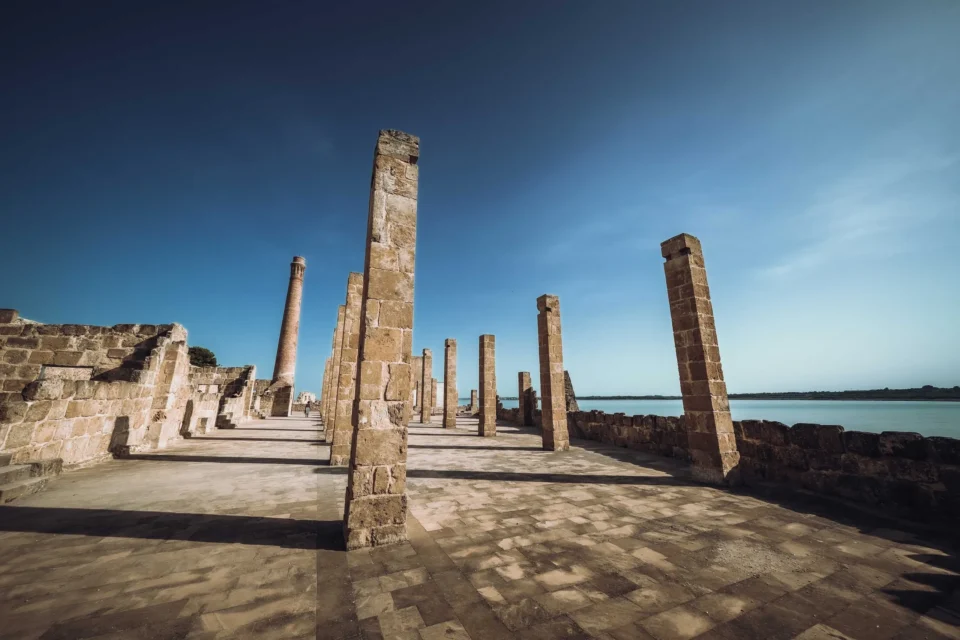
Hellenistic Period
South of Eloro, not far from Marianelli beach, there are several latomiae (stone quarries) from the 5th century BC used in the ancient Greek city of Eloro for the construction of temples and monuments. Not far from the Swabian Tower, by the sea, there are tuna-processing basins, next to which a small necropolis was also discovered. Within the reserve, a stretch of the ancient Via Elorina is also visible, the road connecting the colony of Eloro to Syracuse.
Byzantine Period
The Byzantine complex is located in the southern part of Vendicari, known today as the “Cittadella dei Maccari.” At this site, you can admire the Trigona: a Byzantine Cuba, which like all churches of the time, has a square plan with three apses, an upper dome, and an opening to the east, so that, as per tradition, the light of the full moon would enter the building to signal the start of Holy Easter. A short distance from the Byzantine Cuba, there are several catacombs dating back to the same period and some remains of houses, signs of a densely populated area.
Medieval Period
From this period comes the most beautiful and visited building in the Reserve: the Swabian Tower, likely built by Peter of Aragon, Count of Alburquerque and Duke of Noto (1406-1438). This fortification was necessary to signal and repel attacks by Saracen and Barbary pirates, who systematically looted the island’s towns and countryside with their continuous raids. Over the centuries, the structure was reinforced and remodeled until it took its current form. The Swabian Tower was used until the 19th century, when the invention of the telegraph made these defense systems obsolete.
The wildlife of the Vendicari Nature Reserve
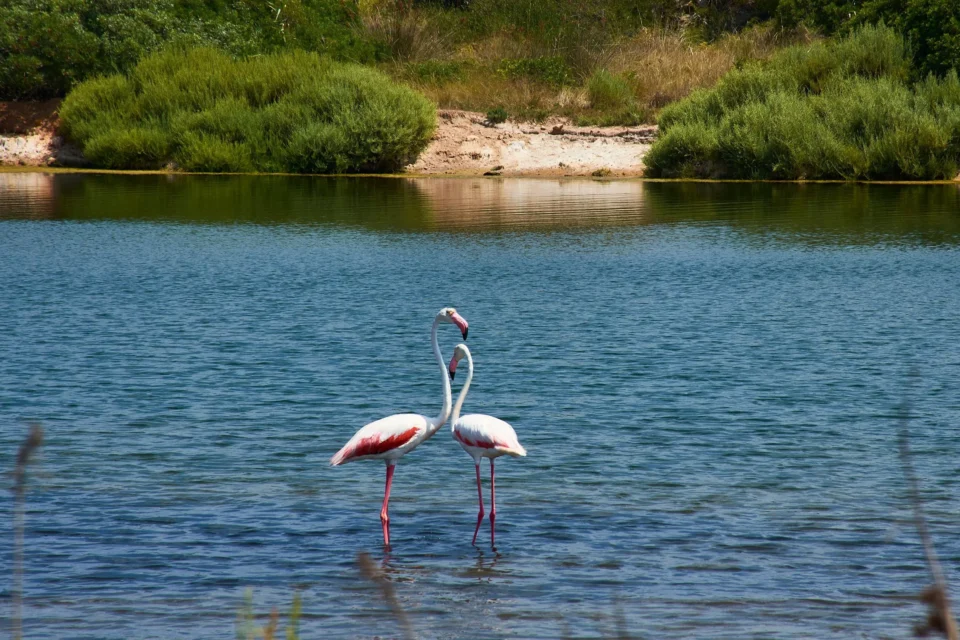
Vendicari, one of the last coastal wetlands in southeastern Sicily, is a true natural jewel, a paradise for shorebirds and waterfowl that find their first landing spot after the spring migration across the Mediterranean and, consequently, their last refreshment point before the autumn wintering. Birdwatching enthusiasts are spoiled for choice.
Depending on the seasons, rainfall, and temperatures, bird sightings at Vendicari are always significant, but the observable species vary from month to month.
Sightings season by season
The month of December, as well as the spring season, are the most interesting periods. The waters of the marshes welcome large numbers of coots, mute swans, greylag geese, wigeons, teals, and mallards. The species that is particularly significant in terms of numbers is certainly the shelduck, which has become one of the symbols of the reserve and comes to winter at Vendicari every year.
In summer, you can spot grey herons, little egrets, terns, and large flocks of yellow-legged gulls, while at the beginning of autumn, the flamingos arrive, their presence increasing year by year. Breeding species include the little grebe, the little bittern, and the black-winged stilt.
Year-round, mammals present include the fox, hedgehog, porcupine, and wild rabbit.
The return of the Caretta Caretta turtles
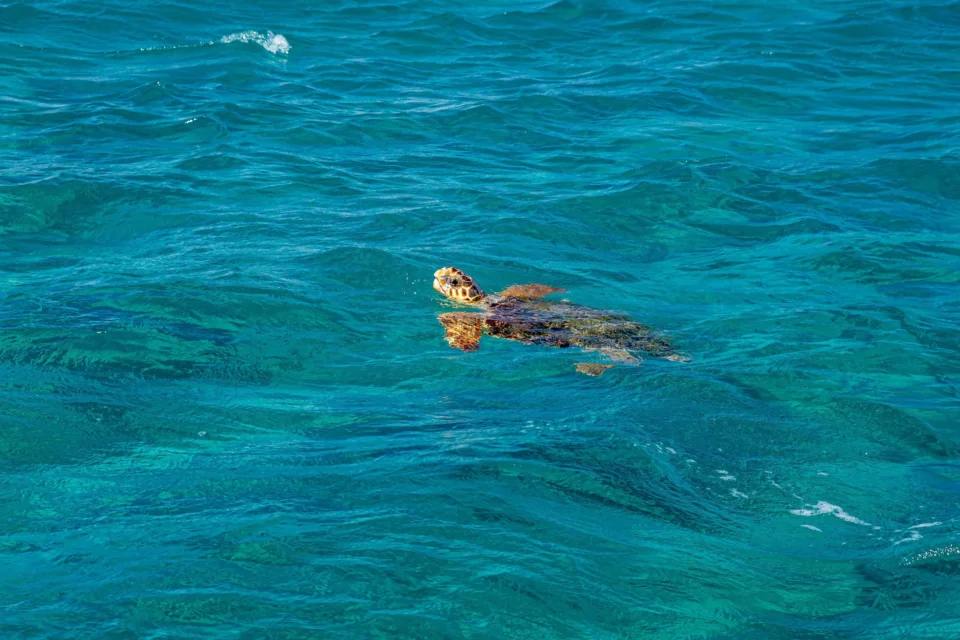
After more than 20 years since the last evidence, Caretta Caretta turtles have also returned to nest: an important sign that confirms Vendicari as a protected territory safeguarded from human interference, an essential condition for the reproduction of these protected species.
The beaches of the Vendicari Reserve
The reserve stretches over more than 7 km of coastline that alternates between fine sand and rocky inlets. There are five entrances, each with access to a different beach, reachable only on foot from within the park.
Eloro Beach
Fine sand and crystal-clear sea characterize Eloro, the northernmost beach of the reserve, close to the remains of the ancient Greek city that gives it its name.
Marianelli Beach
One of the quietest and wildest in the reserve, nestled between almond groves and sand dunes.
Calamosche Beach
Probably the most famous, a small sandy stretch of only 200 meters squeezed between two rocky promontories that shelter it, creating a calm sea ideal for snorkeling.
Vendicari Beach
The central beach, dominated by the Tonnara and the Swabian Tower.
San Lorenzo Beach (Cittadella)
The southernmost access, near the Byzantine archaeological area.
Get more information about the beaches of the Vendicari reserve
Costs and opening hours of the Vendicari Reserve
How much does entry cost
Access to the Vendicari Nature Reserve requires an entry ticket, with different rates (full, reduced, and family) and some categories of visitors entitled to free entry, such as children under 8 and accompanied people with disabilities. Payment is only allowed electronically at the reserve entrances; cash is not accepted.
Since rates may be updated by the management body, we recommend that you always consult the official rates page before your visit for the most recent prices.
Opening hours
The reserve is open every day, except for temporary closures in case of exceptional events, with hours that vary depending on the time of year: ranging from shorter windows in the winter months to extended hours between April and October, when the days are longer.
To organize your visit precisely, especially if you plan on birdwatching at dawn or entering in the late afternoon, check the official hours page, updated seasonally by the management body.
Frequently asked questions for those visiting the Vendicari nature reserve
How big is the Vendicari Nature Reserve?
The Vendicari Oriented Nature Reserve covers approximately 1,512 hectares between Noto and Pachino, in the province of Syracuse. It was established in 1984 by the Sicilian Region and is one of the last coastal wetlands in southeastern Sicily.
How much does entry to the Vendicari Reserve cost?
Access to the Vendicari Nature Reserve is paid, with different rates: full, reduced (law enforcement, environmental associations, students, scouts), and family. Some categories have free entry, such as children under 8 and accompanied people with disabilities. Payment is only accepted electronically, not in cash. For updated amounts, consult the official rates page.
– updated entry costs
– updated ticket office hours for the reserve
What are the entrances and beaches of the Vendicari Reserve?
The reserve has five entrances, each with access to a beach: Eloro, Marianelli, Calamosche, Vendicari (Tonnara and Swabian Tower area), and Cittadella, from which you reach San Lorenzo beach.
How far do you have to walk to get to the Vendicari beaches?
Which is the most beautiful beach in the Vendicari Reserve?
Calamosche is considered the most famous and striking: a sandy cove of about 200 meters enclosed between two rocky promontories, with a calm and crystal-clear sea ideal for snorkeling.
What animals can be seen in the Vendicari Reserve?
The reserve is home to flamingos, herons, storks, coots, black-winged stilts, and numerous other species of migratory birds. Mammals include foxes, hedgehogs, porcupines, and wild rabbits. The beaches are also nesting sites for Caretta Caretta turtles.
When is the best time for birdwatching in Vendicari?
December and spring are the months richest in sightings, with coots, mute swans, and shelducks. In summer, grey herons and little egrets arrive, while flamingos are more visible in autumn.
How do you get to the Vendicari Reserve?
The reserve is located along the SP19, the provincial road connecting Noto to Pachino. A car is the most convenient way to reach it, with parking available near each of the five entrances.
How far is the Vendicari Reserve from Tenuta Olive Alive?
The reserve is about 30 minutes from Tenuta Olive Alive, making it one of the most convenient excursions to organize during your stay.
Experience the nature of Vendicari from Tenuta Olive Alive
After a day among the pristine beaches and trails of the reserve, Tenuta Olive Alive awaits you just 30 minutes away to offer you the rest you deserve. Our rooms combine comfort and an authentic atmosphere, immersed in the Sicilian countryside, the ideal starting point for your excursions to Vendicari and for discovering the rest of the region.



Tenuta Olive Alive is not just a hotel: it’s a countryside to be discovered
Among ancient olive trees, poetry paths and quiet viewpoints over Noto: discover Tenuta Olive Alive. Take your time.

Charity Dinner at Tenuta Olive Alive
Charity Dinner with Live Music at Tenuta Olive Alive
Pantalica what to see: trekking and history in Sicily’s UNESCO necropolis
Pantalica what to see: 5,000 rock-cut tombs, Byzantine frescoes, and breathtaking canyons. A guide to the trails of the UNESCO…
Marie Claire France features Tenuta Olive Alive: the authentic Sicily
Marie Claire France dedicated an article to Tenuta Olive Alive, the charming estate 5 minutes from Noto: calm, personal hospitality,…
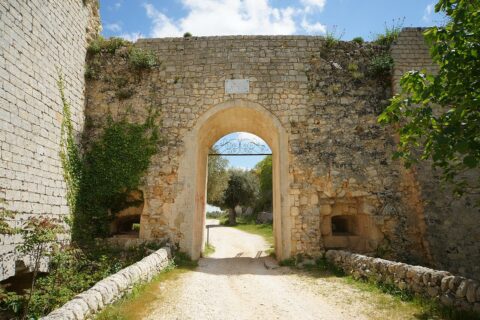
Noto Antica what to see: guide to the ruins of the lost city
Noto Antica what to see: the Royal Castle, the Piazza Maggiore, the Norman walls. A guide to the “Sicilian Pompeii”,…
Infiorata di Noto 2026: Dates, Theme and Program – Pop Culture in Bloom
Infiorata di Noto 2026 returns from May 15 to 19: 700 square meters of flowers will transform Via Nicolaci in…